Belgium is about to take a revolutionary step in the textile industry with the introduction of the new EPR (Extended Producer Responsibility) legislation from January 1, 2025 regarding the mandatory take-back of textiles.
This article serves as an informative guide for textile companies, covering not only the crucial aspects of the law but also how a sheltered workshop like De Kemphaan can support the textile sector in this new era of sustainability.
Why is the new EPR legislation important?
1. Sustainability as a priority
With growing concerns about environmental issues, sustainability is becoming a core focus in various sectors. The new European legislation aims to promote sustainability within the textile industry by making producers and distributors responsible for the take-back of their products.
2. Opportunities for innovation
While the law brings challenges, it also opens the door to innovative solutions. Textile companies can develop new methods and technologies to meet their obligations, which not only means legal compliance but can also provide a competitive advantage.
Key points of the legislation
1. Take-back obligation and responsibility
The law obliges producers and distributors to take back collected textiles. It is essential to understand how this responsibility is distributed and what steps must be taken.

2. Innovative solutions for textile management
The new legislation encourages the development of innovative solutions for managing collected textiles. This opens the door for textile companies to excel in finding sustainable methods for recycling and reuse.
General strategies for textile companies
1. Consumer education
Inform consumers about the new legislation and encourage them to actively participate in the take-back process. Awareness is essential for the success of the law.
2. Collaboration with stakeholders
Textile companies can collaborate with other stakeholders, such as waste management companies, local authorities, sheltered workshops, and non-profit organizations, to set up effective take-back programs.
De Kemphaan as a sustainable partner
De Kemphaan, with its proven track record in sustainability, has already integrated several principles that align seamlessly with the new legislation.
As a sheltered workshop, we can support the textile sector with effective recycling and reuse of textile materials. This goes beyond legal requirements and demonstrates leadership in sustainable business.
1. Successful recycling methods
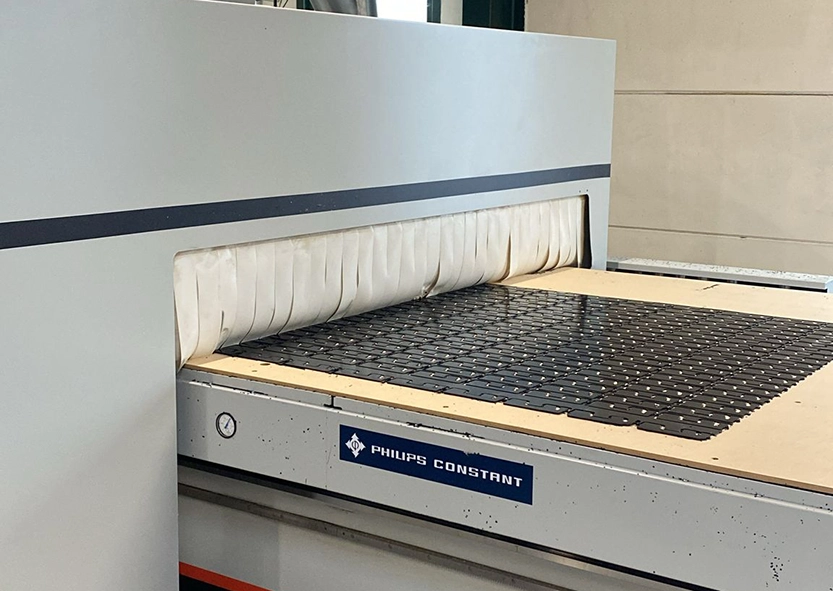
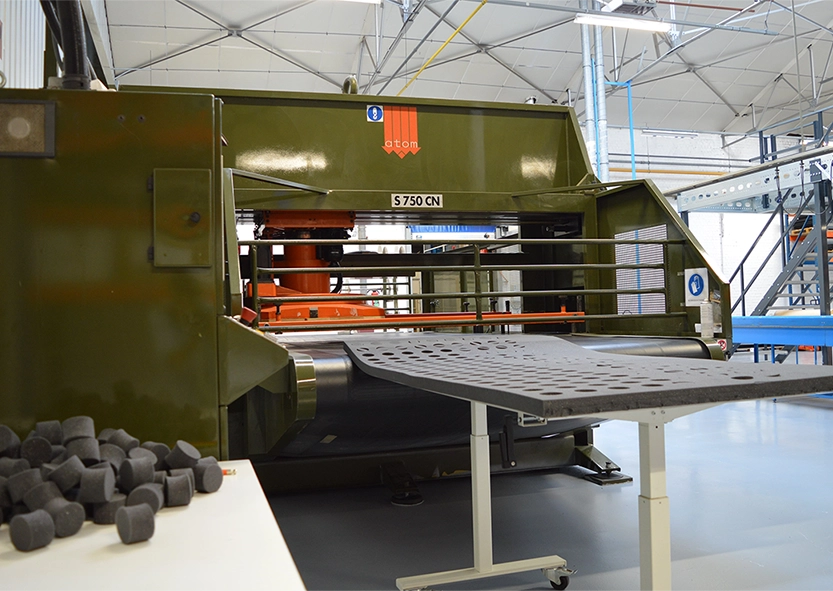
With the support of the Province of East Flanders, De Kemphaan has already invested in several sustainable projects and recycling technologies. These technologies not only reduce environmental impact but also create new business opportunities. De Kemphaan demonstrates what a circular economy can look like through effective recycling and reuse of collected textiles.
2. Corporate Social Responsibility (CSR)
De Kemphaan can lay the foundation for a strong CSR strategy that not only meets legal requirements but also has a positive impact on society and the environment.
Time is running out!
With the implementation deadline fast approaching, it is of the utmost importance that textile companies take proactive steps. Delay can lead to non-compliance with the legislation, with potential legal consequences.
De Kemphaan stands ready at the intersection of legislation and sustainable business. By acting strategically and investing in sustainability initiatives, we can not only comply with the new legislation but also serve other companies in the textile industry and, by extension, the wider society with a lasting impact.